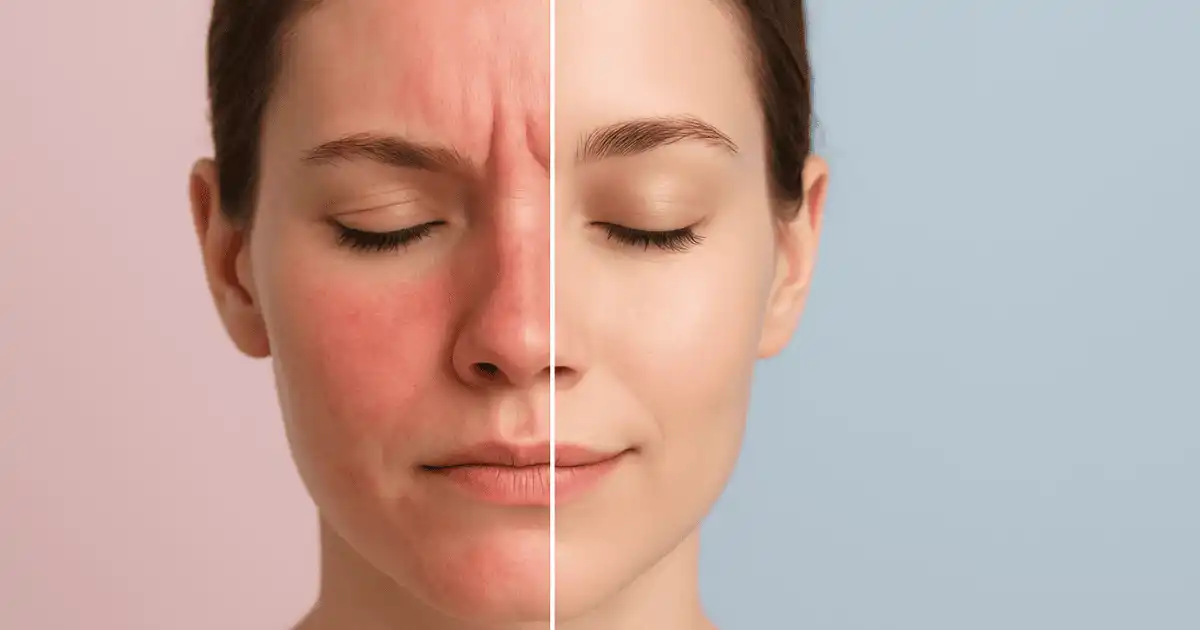
I calmed my sensitive skin in 8 weeks by mastering three fundamental principles of home care that eliminated my facial redness.
After suffering from burning and reactive skin for two years, I realized that gentle cleansing without fragrance and repairing the skin barrier with ceramides after using the appropriate products, along with avoiding triggers (such as using very hot water), allowed me to find relief from sensitive skin without shelling out lots of money on expensive procedures.
After two years of struggling with sensitive skin, I discovered natural remedies under $20 that stopped my redness in 8 weeks. This guide shares my complete routine, the science behind what works, and practical steps to calm your skin, whether your sensitivity appeared suddenly or you’ve dealt with it for years.
Why Is My Skin So Sensitive All of a Sudden?
The question that haunted me for weeks was simple: why is my skin so sensitive all of a sudden? I’d been using the same products for months, following the same routine. Then everything changed overnight.
Here’s what I discovered. Your skin’s outer layer, called the stratum corneum, acts like a brick wall protecting everything underneath. When this barrier gets compromised, your skin becomes vulnerable to irritants and allergens.
The inflammation response kicks in, causing those signs of sensitive skin we all hate: redness, burning, and tightness.
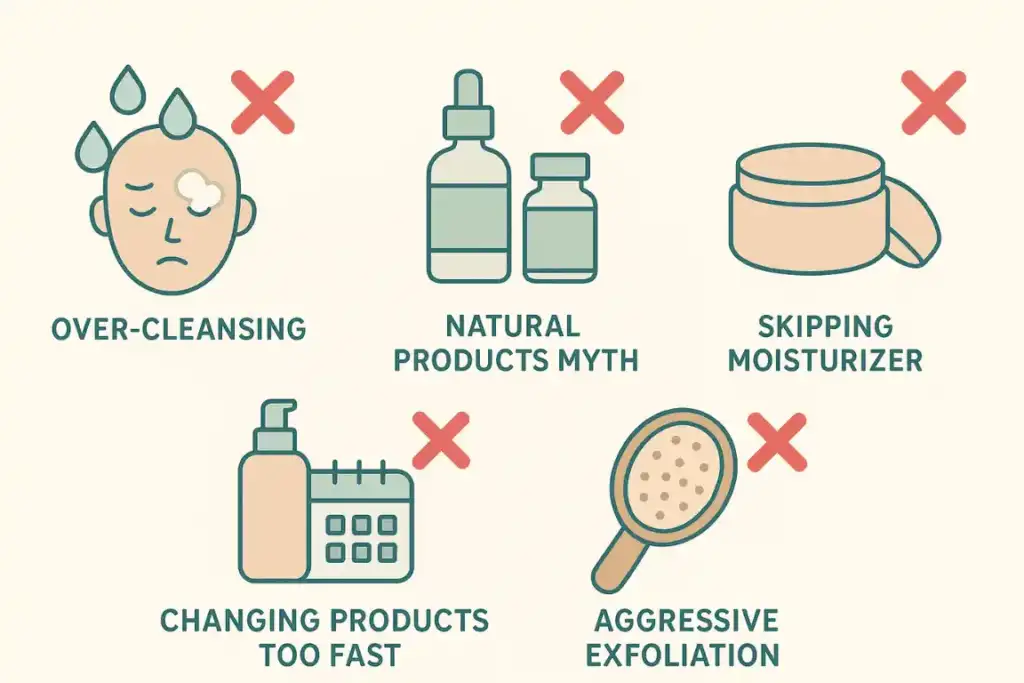
In my case, several factors ganged up at once. I’d started a new job with brutal stress levels, the office air conditioning was destroying my moisture retention, and I’d switched to a “deep cleaning” face wash that stripped my natural moisturizing factors completely. Big mistake.
But sudden sensitivity isn’t always about products. According to the American Academy of Dermatology, hormonal changes can flip your skin’s behavior overnight. Genetic predisposition plays a role, too. Some people’s epidermal layer is just naturally more reactive.
Environmental pollution, extreme weather, and even stress trigger inflammation mechanisms in your skin. Your immune system sees harmless substances as threats, releasing inflammatory chemicals that cause the skin to have a sore-to-the-touch sensation and visible redness.
Understanding this helped me stop panicking and start addressing root causes instead of just treating symptoms. The transepidermal water loss happening in my compromised skin barrier explained why my face felt like the Sahara Desert, no matter how much moisturizer I slathered on.
Recognizing Sensitive Skin Symptoms in Your Daily Life
Learning to identify sensitive skin symptoms early became my superpower for preventing major flare ups. I started keeping notes on my phone, tracking what I noticed each day. This revealed patterns I’d completely missed.
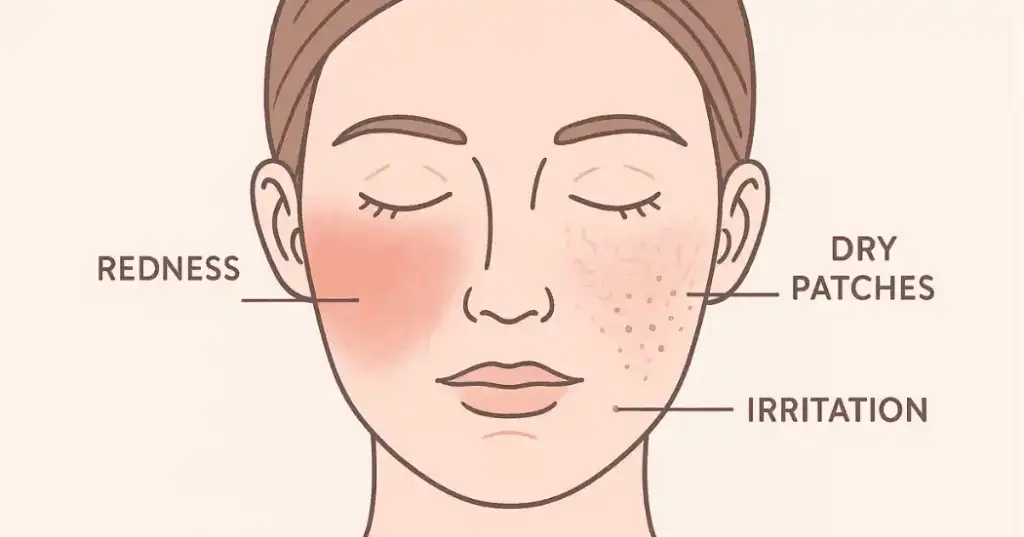
The signs of sensitive skin care at home show up differently for everyone. For me, it started subtly. My cheeks felt warm after washing, like a mild sunburn that wouldn’t quit. Within days, this progressed to visible redness, especially around my nose and chin.
Then came the really uncomfortable symptoms. Random patches of skin became sensitive to touch, especially on my forehead. Rough patches developed along my jawline that felt like sandpaper. The burning sensation intensified whenever I applied anything, even products labeled “gentle skin care.”
One morning, I woke up with my skin so reactive that even my pillowcase felt scratchy. That’s when I realized this wasn’t just a bad product reaction. My skin barrier was seriously compromised.
The uneven skin tone bothered me, too. Some areas looked blotchy red; others appeared pale. Research from the National Institutes of Health confirms these visible symptoms indicate increased transepidermal water loss, meaning your skin can’t hold moisture properly.
I also experienced stinging with products, itching at night, and small bumps that weren’t quite pimples. My skin just felt reactive to everything: weather changes, stress, certain foods, and fabric textures. Understanding these skin reactions helped me catch flare-ups earlier and adjust my sensitive skin care at home routine accordingly.
Understanding the Science Behind Skin Conditions
I’m breaking down the science here because understanding what’s happening under your skin helps you make better choices. Don’t worry, I’ll skip the textbook language.Think of your epidermal layer as a security system for your body.
The outermost part, that stratum corneum I mentioned, contains dead skin cells held together by lipids. Between these cells, sebum production happens, which is your skin’s natural oil, keeping everything moisturized.
Your skin naturally produces natural moisturizing factors, or NMFs. These are water-grabbing molecules, including amino acids and urea, that pull moisture from the air and hold it in your skin. When you have healthy skin, these work beautifully, maintaining proper moisture retention.
But when your skin becomes sensitive skin care at home this whole system breaks down. Transepidermal water loss increases dramatically. Normal skin loses about 10-15 grams of water per square meter per hour, but damaged skin can lose twice that amount. No wonder my face felt parched constantly.
The inflammation mechanisms kick in when your immune system detects this barrier breakdown. Inflammatory chemicals flood the area, causing blood vessels to dilate, creating that red, hot feeling. Your body sends an emergency repair crew, but in sensitive skin conditions, this response goes overboard.
Collagen production also suffers when skin is chronically inflamed. Collagen keeps your skin firm and plump. Continuous inflammation breaks down existing collagen faster than your body produces new collagen, leading to premature aging.
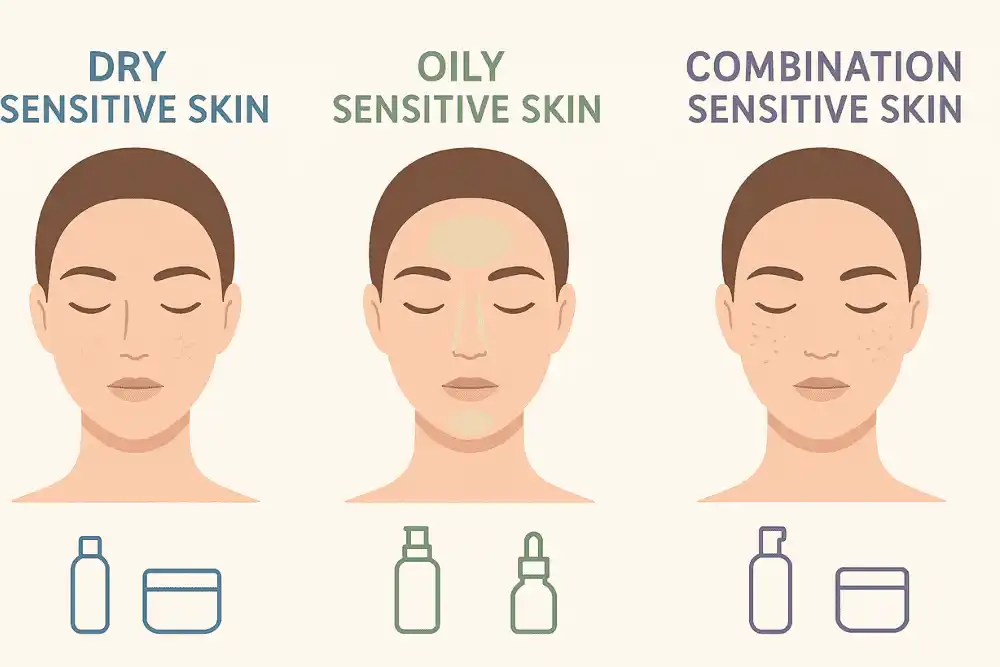
The Mayo Clinic explains that sebum production can either increase or decrease when skin becomes sensitive. Mine went into overdrive in some areas, while other patches became flaky, creating this weird combination situation.
Understanding this science changed my whole approach. Instead of throwing random products at the problem, I focused on rebuilding that barrier and supporting my skin’s natural processes.
My Complete Daily Skincare Routine for Sensitive Skin
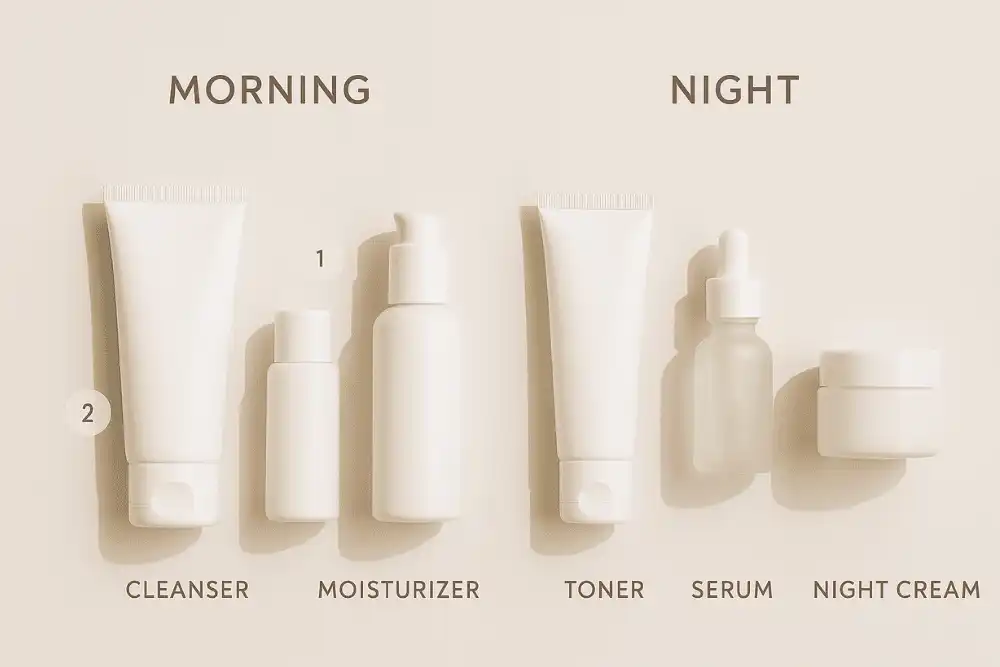
Building my daily skincare routine took patience, but I’ve landed on a system that works consistently. The key principle: less is absolutely more for sensitive skin care at home.
My morning facial care routine starts incredibly simple. I splash my face with lukewarm water, nothing fancy. Hot water strips protective oils and triggers an inflammation response. If my skin feels grimy, I use a gentle skincare cleanser, but most mornings, just water works.
After patting barely dry with a soft towel (no rubbing ever), I apply hydrating toner while my skin is still damp. This locks in moisture before it evaporates. Products with hyaluronic acid work wonders because they hold up to 1000 times their weight in water.
Next comes a lightweight moisturizer. Cream-based formulas work better than lotions for sensitive face care because they create a better barrier. I look for ceramides, which repair the stratum corneum, and niacinamide, which reduces redness. The entire morning routine takes three minutes.
It takes little more effort to remove sunscreen and city grime in the evening. I start with a gentle cleansing oil that melts away everything without stripping. This gets massaged in for 30 seconds, then rinsed with lukewarm water.
Sometimes I follow with a second cleanser if I wore makeup, but I skip this most nights to avoid over-cleansing. Remember, every product is another opportunity for skin reactions.
After cleansing, I apply the same toner, then layer on treatments if needed. A few drops of soothing skin care serum containing centella asiatica or green tea can calm inflammation beautifully. I discovered these through trial and error.
The final step is a richer night cream supporting overnight repair. Our skin does most healing while we sleep, boosting collagen production and cell turnover. I choose formulas with natural oils for skin, like jojoba or squalane, that mimic natural sebum production.
Product application order matters. Thinnest to thickest is the rule, so water-based products go on before oil-based ones. This ensures each layer penetrates instead of sitting uselessly on top.
Natural Skin Care Remedies That Transformed My Skin
I was skeptical about natural skin care and organic skin care remedies at first. They seemed too simple. But after spending hundreds on products that made things worse, I gave these kitchen-based solutions a real shot.
Aloe vera became my emergency rescue. I keep a plant on my windowsill and break off a leaf whenever my skin freaks out. The gel inside contains compounds that reduce the inflammation response almost immediately.
Research from PubMed backs this up, showing aloe’s anti inflammatory properties work at the cellular level.
Oatmeal baths transformed my approach. I grind plain oats in my blender until powder-fine, then add a cup to lukewarm bathwater. The compounds in oats, called avenanthramides, calm irritated skin conditions beautifully. I soak for 20 minutes.
For facial care routine purposes, I make a paste with ground oats and water, gently massage it on, and rinse after five minutes. Raw honey surprised me most. This sticky kitchen staple has antibacterial properties and acts as a humectant, pulling moisture into your skin.
I apply a thin layer to damp skin, leave for 10 minutes, then rinse. My skin drinks up the moisture retention benefits.I created a DIY mask: two tablespoons plain yogurt, one tablespoon honey, and one teaspoon ground oats. I mix it fresh, apply it to clean skin, relax for 15 minutes, and rinse.
This combination addresses multiple sensitive skin symptoms: yogurt calms redness, honey hydrates, and oats soothe. Green tea compresses became my go-to for flare-ups. I brew strong green tea, let it cool completely, soak a soft cloth, and press gently against irritated areas. The antioxidant benefits are well-documented.
Here’s my cost comparison. A bottle of aloe gel costs $8-12 and lasts a month. My aloe plant cost $5 three years ago and still provides unlimited gel. Raw honey runs $10 for a jar lasting months. A comparable commercial mask costs $25-40 for maybe 10 uses.
What didn’t work? Lemon juice burned my already sensitive skin. Baking soda disrupted my skin’s pH balance. Apple cider vinegar, even diluted, stung like crazy and triggered more inflammation.
Choosing Products for Sensitive Skin Care at Home
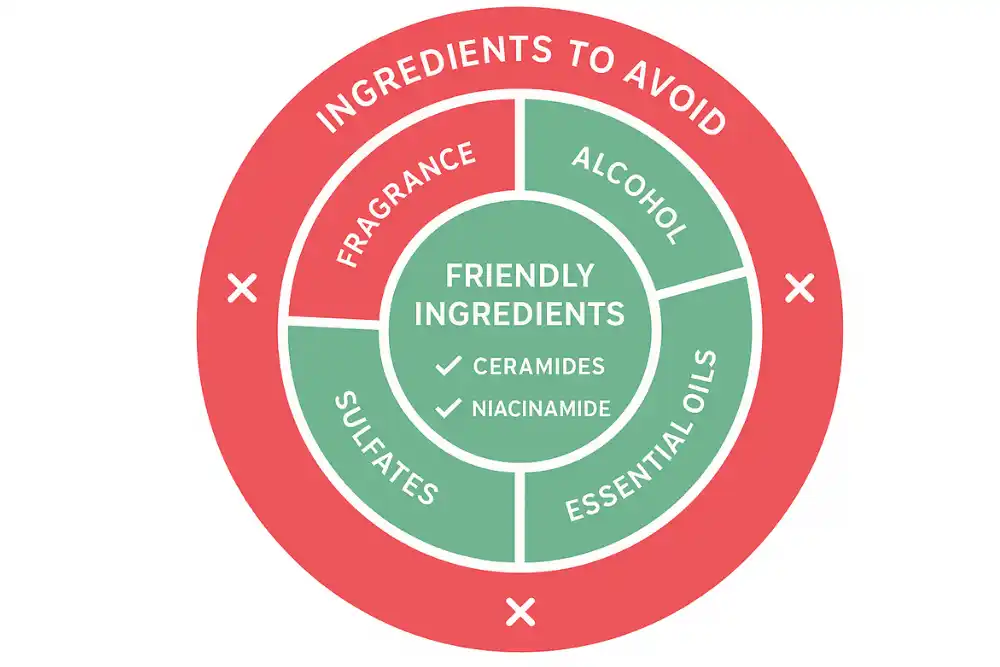
Product selection became easier once I learned what to look for and avoid. I used to stand in store aisles overwhelmed, but now I scan ingredient lists and make informed decisions quickly.
My ingredient checklist starts with what to avoid. Fragrances are enemy number one, even “natural” fragrances. They’re among the top triggers for skin reactions. I skip anything listing “fragrance,” “parfum,” or “essential oils” high on the ingredient list.
Alcohol denat and other drying alcohols are automatic no-goes. These strip natural moisturizing factors and increase transepidermal water loss. However, fatty alcohols like cetearyl alcohol are actually beneficial, which confused me until I understood the chemistry.
Sulfates, particularly sodium lauryl sulfate, create foam but wreck sensitive skin barriers. I switched to sulfate-free cleansers.
What I actively look for: ceramides rebuild stratum corneum structure. Hyaluronic acid appears in nearly every product I use because it’s a superstar for moisture retention. Niacinamide reduces inflammation and strengthens barriers. Centella asiatica calms skin in sore-to-touch situations.
My budget versus premium comparison revealed surprising truths. I’ve used $8 drugstore moisturizers that worked better than $80 department store creams. The key isn’t price but ingredient quality and formulation.
For sensitive skin care at home needs, I’ve found a middle ground. I invest in a good cleanser ($15-25) and moisturizer ($25-40) because these get used daily. For serums, I often choose affordable options ($10-20) because I use them less frequently.
Here’s my patch testing guide that saved me from disasters. Before using any new product, I apply a small amount to my inner wrist. I wait 24 hours for any redness or itching. If that passes, I apply it to a small face area, like near my jawline, and wait another 24-48 hours.
Only after both tests come back clear do I use the product on my entire face. This seems tedious but prevented so many skin reactions. I once skipped this with a “miracle” serum, slathered it on, and woke up looking like I’d been attacked by bees. Never again.
Lifestyle Modifications That Healed My Reactive Skin
The lifestyle modifications I made had as much impact as any product. My dermatologist told me external skincare only addresses about 50% of skin health. The other half comes from how you treat your body overall.
Diet changes came first. I started eating foods rich in antioxidant benefits like berries, leafy greens, and fatty fish. Within three weeks, my skin looked less inflamed. The omega-3 fatty acids particularly helped reduce chronic redness.
I cut back dramatically on sugar and processed foods. Every time I ate lots of refined carbs, my skin flared the next day. The connection between diet and inflammation response became crystal clear.
Water intake made a bigger difference than expected. I aimed for eight glasses daily. I bought a large water bottle with time markers. Better hydration improved moisture retention from the inside out, making my skin more resilient to environmental stressors.
The stress management importance cannot be overstated. My worst flare-ups always coincided with high-stress periods. Stress hormones trigger inflammation mechanisms throughout your body.
I started simple meditation, just 10 minutes each morning, using a free app. I was skeptical, but within a month, my sleep improved, and my skin calmed noticeably. I also started saying no to commitments that drained me.
Sleep became non-negotiable. I used to survive on 5-6 hours. Now I prioritize 7-8 hours nightly because collagen production happens primarily during deep sleep. Your skin literally repairs itself while you rest. Poor sleep disrupts this process.
Exercise effects surprised me. I’d avoided working out because sweating seemed to trigger breakouts. But when I started gentle yoga and walking, my skin improved. Movement increases circulation, delivering oxygen and nutrients to skin cells. The key was cleansing gently after workouts.
I switched my pillowcase to silk, which causes less friction than cotton. I wash it in fragrance-free detergent twice weekly. This reduced the rough patches I’d wake up with.
Seasonal Adjustments and Emergency Care
Learning to adjust my routine seasonally solved why my skin behaved differently throughout the year. What worked in spring failed in winter.
Summer sensitive skin care requires lightweight products. I switch to a gel-based moisturizer that won’t suffocate skin in humidity. Sunscreen becomes critical. I use mineral formulas with zinc oxide because chemical sunscreens irritate my skin.
Winter protection strategies are completely different. Cold air outside and heated air inside create the perfect storm. I upgrade to richer, more occlusive moisturizers that seal against harsh conditions.
I apply moisturizer while my skin is still damp from cleansing. This locks in moisture more effectively. In brutal weather, I layer facial oil over moisturizer at night for extra protection.
My cleansing gets even gentler in winter. I often skip morning cleansing entirely, just rinsing with water. Over-cleansing in winter stripped my epidermal layer and caused terrible, rough patches.
Despite best efforts, flare-ups still happen. Having an emergency protocol saved me from panic.
When I wake up with angry skin, I immediately stop using all products except basics. This means cleanser and simple moisturizer only. No acids, no actives, no treatments.
Cold compresses became the first-line defense. I soak a clean cloth in cold water or chilled chamomile tea and press it against irritated areas for 10-15 minutes. The cold constricts blood vessels, reducing redness and burning feelings in the skin immediately.
I learned what NOT to do during flare ups. Don’t try to exfoliate away the problem. Don’t pile on multiple products. Don’t pick at rough patches. And absolutely don’t experiment with new products when skin is already compromised.
Aloe vera gel straight from my plant provides instant cooling relief. For really severe reactions where skin is sensitive to touch everywhere, I take an antihistamine.
My recovery timeline expectations are realistic now. Minor irritation calms within 24-48 hours. More significant flare-ups take 5-7 days. Really severe reactions, where I’ve seriously damaged my barrier, can take 2-3 weeks to heal completely.
When to See a Professional
I spent months trying to handle sensitive skin care entirely at home before accepting I needed professional help. There’s no shame in consulting a dermatologist.
Red flags include persistent symptoms lasting more than two weeks despite gentle care, worsening sensitivity rather than improvement, signs of infection like oozing, severe pain interfering with daily life, and sudden, dramatic changes.
I finally made an appointment when my skin conditions weren’t responding to anything. The burning had become constant, my uneven skin tone was worsening, and I’d developed patches that might be eczema.
What dermatologists offer goes beyond home care. They properly diagnose underlying conditions like rosacea or contact dermatitis. My doctor performed patch testing to identify specific allergens triggering reactions.
Prescription treatments opened options I didn’t have over-the-counter. My dermatologist prescribed gentle topical medication that reduced inflammation more effectively than anything I’d tried.
FAQ
Q: How long does it take for sensitive skin to heal?
A: In my experience, minor irritation calms within 2-3 days with proper care. A compromised skin barrier from over-exfoliation typically takes 2-4 weeks to rebuild fully.
Chronic sensitivity from underlying conditions requires ongoing management rather than a specific healing timeline. Consistent gentle care shows noticeable improvement within the first week.
Q: Can you make sensitive skin less sensitive over time?
A: Absolutely yes. Strengthening my skin barrier through consistent moisture retention practices, avoiding triggers, and supporting natural moisturizing factors made my skin significantly more resilient over six months.
While genetic predisposition to sensitivity might never fully go away, you can definitely reduce how reactive your skin is through lifestyle modifications and appropriate skincare.
Q: What’s the single most important thing for sensitive skin care at home?
A: Protecting and rebuilding your skin barrier wins every time. This means gentle cleansing, consistent moisturizing with barrier-supporting ingredients like ceramides, and religious sun protection. Everything else is secondary to maintaining that protective layer.
Q: Why does my skin burn when I apply moisturizer?
A: This usually means your skin barrier is severely compromised, allowing ingredients to penetrate too deeply and trigger an inflammation response.
It can also indicate an allergy to specific ingredients. When this happened to me, I switched to the plainest moisturizer possible and applied it to damp skin.
Q: Are expensive sensitive skin products worth the money?
A: Sometimes yes, often no. Ingredient quality and formulation matter more than price. A $15 drugstore product with the right ingredients can outperform an $80 luxury cream with irritating fragrances.
I invest in good cleansers and moisturizers but often choose affordable options for other steps.
Q: Can stress really cause sudden skin sensitivity?
A: Absolutely. Stress hormones like cortisol trigger inflammation mechanisms throughout your body. I’ve experienced worse flare-ups during high-stress periods, even when I didn’t change products.
The importance of stress management became clear when my skin improved dramatically after starting meditation and better sleep habits.
Q: Should I avoid all natural oils if I have sensitive skin?
A: Not necessarily. Some natural oils for skin, like jojoba and squalane, are beneficial because they mimic natural sebum production. However, essential oils often irritate sensitive skin and should be avoided. Test carefully and choose based on your specific needs.
Q: How do I know if I need to see a dermatologist?
A: See a professional if sensitive skin symptoms don’t improve after 3-4 weeks of gentle care, if you experience severe pain or burning feelings in skin interfering with daily life, if you notice signs of infection, or if you can’t identify what’s triggering reactions.
Your Journey to Calmer Skin Starts Today
Managing sensitive skin care at home has been one of the most frustrating yet rewarding journeys I’ve taken.
What started as a crisis with burning, reactive skin taught me about listening to my body, being patient with progress, and understanding that healthy skin comes from both what you put on it and how you treat yourself.
The key lessons: simplify your routine, focus on barrier repair, avoid common triggers, support your skin through lifestyle modifications, and seek professional help when needed.
Your skin is unique, so what works for me might need adjustment, but these principles apply universally to sensitive skin care at home conditions.
Start with one small change today. Maybe switch to a fragrance free cleanser, add a humidifier to your bedroom, or simply drink more water. Build from there slowly, giving your skin time to respond before adding changes.
Remember that setbacks happen. I still get occasional flare-ups, but now I know how to manage them quickly instead of panicking. Your sensitive skin care at home journey is exactly that, a journey, not a destination.
Be patient with yourself and your skin. With consistent, gentle care and the right approach, you can absolutely achieve the calm, comfortable skin you deserve.