
You can relieve dry skin with 10 different natural remedies found in your kitchen that cost less than $20. Coconut oil, honey, and aloe vera provide deep moisture to repair the moisture barrier and reduce water loss; typically, results are noticed after 3-7 days of consistent use.
This guide includes a full list of approved DIY treatments for your face/hands/feet, along with the exact methodology recommended by dermatologists to layer products on overnight so they provide maximum moisture.
These gentle home remedies will help treat the underlying cause of your dry skin, whether it’s due to dry winter air, an eczema flare-up, or chronic flakiness, without the use of harsh chemicals.
Understanding Dry Skin and Why Natural Remedies Matter

Home remedies for dry skin have you ever gazed into the mirror and seen dull skin, flakes, or a face that feels almost tight? Or maybe you’ve wondered, “Why is my skin so dry when moisturize?” You’re not alone.
Daily, millions grapple with their dry skin, looking for products that are affordable and efficient but won’t dump a bunch of mystery chemicals on their bathroom cabinet floors.
Home remedies for dry skin are more than just a cosmetic concern; they’re your body’s way of telling you that something isn’t right. Your skin will break and itch, and sometimes the dryness in crusts over becomes painful.
The good news? Your kitchen is likely the source of more potent home remedies for dry skin than anything you’d find in the expensive skincare aisles. Our grandmothers knew they worked, and now modern science is confirming just how effective these natural remedies can be.
This complete guide will cover all that you need to know about how to treat dry skin naturally. From learning why you have that constant dryness to finding which home remedies for dry skin actually help (we don’t play around), practical solutions are the goal, and ones you can start implementing today.
What Causes Dry Skin?

Before we get into the home remedies for dry skin, let’s take a brief look at what causes that dryness in the first place. Your skin is the body’s largest organ, and when it becomes dry, it’s quite literally crying out for help.
Environmental Factors
Consider the way a plant will wilt without water: your skin reacts in much the same manner to what it is exposed to. Cold winter air strips moisture from your skin faster than you can replace it.
Indoor heating systems don’t help either; they create a desert-like atmosphere that pulls water right out of your skin cells. Even if you live somewhere warm, air conditioning can be equally harsh.
Low humidity is particularly brutal. As you might guess, with less water in the air, your skin loses water faster through a process called transepidermal water loss. This is why your skin can feel smooth-skinned in summer and then become a flaky mess during winter.
Lifestyle Habits That Damage Skin

Occasionally, we’re our own worst enemies when it comes to skin health. Long, steaming hot showers might feel wonderful, but they’re basically stripping away your skin’s natural protective oils. Those oils act like a raincoat for your skin: without them, moisture escapes freely.
Harsh soaps are another culprit. Many conventional soaps have a high pH that disrupts your skin’s natural acid mantle. This protective layer keeps moisture in and harmful bacteria out. Using aggressive cleansers on a daily basis damages your skin, making it more susceptible to dryness.
Frequent hand washing (while important for hygiene) can leave your hands feeling like sandpaper. The constant exposure to water and soap removes natural oils faster than your body can produce them.
Underlying Medical Conditions
Home remedies for dry skin sometimes signal something deeper. Conditions like eczema, psoriasis, and thyroid disorders can manifest as persistently dry, uncomfortable skin.
Diabetes can also affect your skin’s ability to retain moisture. If you’ve tried everything and your home remedies for dry skin won’t improve, it might be time to consult a healthcare provider.
Why Is My Skin So Dry Even When I Moisturize?
To the frustration of some inquiring users, this question has more than one potential answer. For example, you could be using the wrong kind of moisturiser for your skin. Not all moisturizers are created equal; some simply sit on the surface without penetrating to really hydrate your skin cells.
Timing matters too. Applying moisturizer to completely dry skin is like trying to seal an empty container; there’s nothing to lock in. The magic happens when you apply moisturizer to slightly damp skin right after washing. The moisturizer traps water against your skin.
Another possibility? Your environment or habits are undoing your moisturizing efforts. If you moisturize at night but take scalding-hot showers in the morning, you’re basically undoing all your good work.
Recognizing Dry Skin
Dry skin isn’t always obvious. Sure, visible flaking is a dead giveaway, but there are subtler signs too.
Dry Skin on Face vs. Body

Your face may present the signs of dryness differently than your body. Common characteristics of dry skin on face The symptoms associated with dry facial skin are the products of that.
- Tightness after washing
- Fine lines that appear a bit deeper
- Rough texture
- Dull, lackluster appearance
- Makeup that doesn’t apply smoothly
- Increased sensitivity to products
Body dryness typically manifests as
- Rough, scaly patches
- Itching that worsens at night
- Ashy gray color (especially on darker skin)
- Cracks with the potential to bleed in serious cases and Dry Feet: Special Considerations
Dry Hands and Dry Feet
Special Considerations
Home remedies for dry skin your hands and feet endure a lot of daily wear and tear. They’re constantly exposed to the elements, friction, and, in the case of hands, frequent washing. Dry hands might show redness, cracking around the knuckles, and even painful splits in the skin.
Why are my feet so dry even when I moisturize? Feet have fewer oil glands naturally, making them prone to extreme dryness. They also endure friction from shoes and bear your full body weight all day.
When Dry Skin Becomes a Serious Problem
on the lookout for these warning signs that you should see a doctor:
- Cracks that bleed
- Intense itching that disrupts sleep
- Peel or scale to a great extent
- Signs of wound infection (redness, swelling, heat and purulent discharge)
- Skin that remains dry despite a few weeks of treatment
The Science Behind Effective Dry Skin Remedies
Home remedies for dry skin, understanding how moisturizers work helps you choose the right remedies. It’s not magic, it’s science.
How Skin Hydration Works

The skin is composed of several layers, and the outermost layer, the stratum corneum, serves as a key barrier that locks in hydration.
It works much like a tightly sealed wall, where dead skin cells form the structure and lipids with natural moisturizing factors fill the spaces to hold everything together. When this mortar weakens, moisture escapes, and your skin feels dry.
Proper hydration means adding moisture and keeping it from escaping. It is where the three types of moisturizing ingredients come in.
Three Types of Moisturizing Ingredients
Humectants are like moisture magnets. They draw water from the air (or from deeper layers of your skin) and keep it satisfied in your outer layer. Natural humectants include:
- Honey
- Glycerin (also known as glycerine, which occurs naturally)
- Aloe vera
Occlusives act as a protective barrier on the surface of your skin to keep water from evaporating. They are the big guns of treating dehydrated skin. Natural occlusives include:
- Petroleum jelly
- Coconut oil
- Shea butter
- Natural oils
Emollients literally fill in the gaps between skin cells, which helps even texture and yields skin that feels soft. Most natural oils are beneficial emollients:
- Olive oil
- Sunflower oil
- Avocado oil
The best home remedies for dry skin operate synergistically across the three categories to create a comprehensive hydration plan.
Why Natural Oils Work for Sensitive Skin
Oils don’t clog pores. You oillessly wash away sebum. This similarity makes them well absorbed and less likely to irritate. Unlike many synthetics, the natural oils also include other beneficial agents such as vitamins, antioxidants, and fatty acids that nurture skin beyond simple moisturizing.
Top 10 Home Remedies for Dry Skin

Now, let’s discuss home remedies for dry skin; enough suspense, it’s time to reveal the true treatments. However, these aren’t just the newest fads: scientific evidence now backs these once-promising myths, which are increasingly crumbling under scrutiny.
Coconut Oil Nature’s Best Moisturizer for Dry Skin
Home remedies for dry skin: If I had to choose one superstar in natural skin care, it would have to be coconut oil. Studies show that it increases skin hydration and strengthens the skin barrier. It is high in fatty acids that sink deep into the skin to lock in long-lasting moisture.
How to apply: “Once you step out of the shower and your skin is still slightly damp, take a little bit of coconut oil in your palms and warm it up by rubbing your hands together,” Mr. Huang said.
“Massage that into your skin, like an all-over body cream.” Focus especially on dry patches. It will be somewhat oily at first, but it’s absorbed within minutes.
Best for: All-over body, dry facial skin, or even as an overnight intense treatment for dry hands and feet. the face,
Pro tip: Virgin or extra-virgin coconut oil, not refined ones, preserves more of the good stuff for the face.
Petroleum Jelly: The Dermatologist’s Secret Weapon
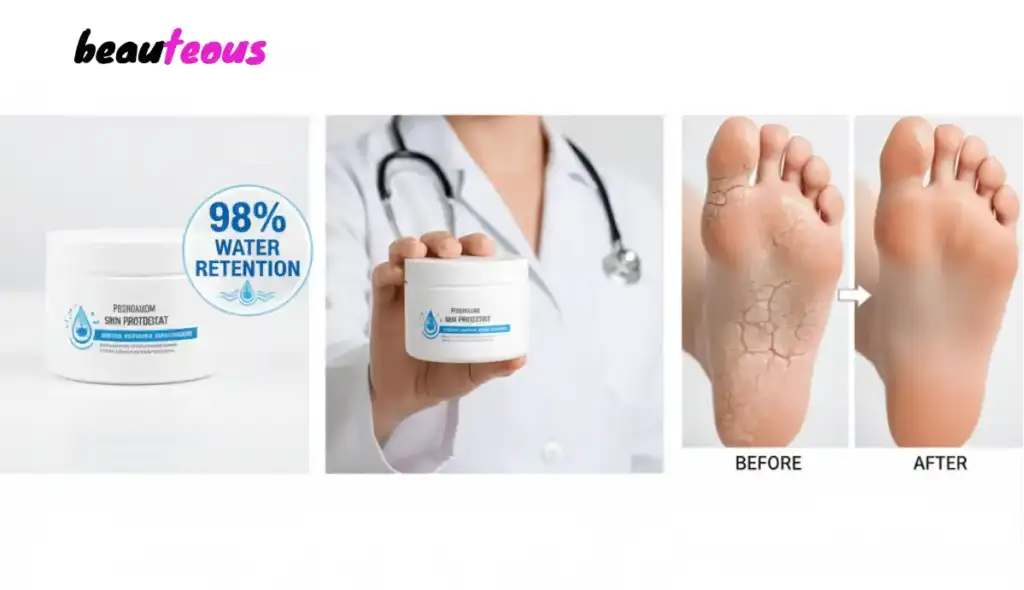
Though it may seem outdated, dermatologists consistently rank petroleum jelly as one of the most effective remedies for dry, damaged skin. It may also lower the risk of eczema in newborns and adults.
The petroleum jelly will form a protective barrier on the skin, trapping moisture. It inhibits up to 98% of water loss from the skin; no fancy cream can do that.
How to use it: Smooth a thin layer onto damp skin soon after taking a bath. If you have super dry areas, like heels or elbows, use liberally before bed and then cover with cotton socks or sleeves.
Best for: Extremely dry skin, dry foot treatments, chapped lips, and dry hands.
Top concern: “Will it clog my pores?” Apply it lightly to your face, only on dry spots. It’s non-comedogenic (which means it won’t aggravate acne), but the thick, best-for-all-over-face texture doesn’t work well for oily or combination skin all over your face.
Honey: Natural Healing for Dry Skin on Face
Home remedies for dry skin on the face. There is more to honey than just the delicious taste; it is a skincare gem. Research shows honey has moisturizing, healing, and anti inflammatory benefits. It draws moisture from the air and contains compounds that can help skin to heal faster when it is damaged.
How to use it: As a simple face mask, raw honey (not the processed stuff parading as honey at the grocery store) can kill bacteria and get rid of impurities on the skin. Keep it on for 15-20 minutes and then wash with lukewarm water. Your body will be so smooth.
For spot treatment: Apply a dot of honey to any particularly dry or angry patches and leave it on for 10 minutes before rinsing.
Best for: Home remedies for dry skin on the face, sensitive skin, and spots of low-level irritation or over healing skin.
Bonus recipe: Combine equal parts honey and olive oil for a super-hydrating treat
Aloe Vera: Soothing Relief for Sensitive Skin
Aloe vera gel is best for more than treating sunburn. Studies show it’s an excellent natural remedy for dry skin, eczema, and psoriasis, and it also has anti inflammatory properties. Most notably, it’s a light scent, which is best for sensitive skin or easy to irritate areas.
Usage: Use pure aloe vera gel (make sure it is either straight from the plant or 100 percent pure gel from the pharmacy) on dry patches. Apply generously and cover with cotton gloves or socks, for hands and feet, while you sleep. For the face, use it as a light moisturizer in the morning and at night.
Best for: Moisturizing dry or sensitive skin, calming low-grade dryness, and getting your skin prepped as a base layer under thicker moisturizers.
Smart combination: The aloe works to draw moisture to the skin, while the oil seals it in.
Oatmeal Baths: Instant Skin Hydration
There’s science behind what people have known for eons: oatmeal calms irritated, dry skin. INCI: COLLOIDAL OATMEAL Description: (COLLOIDAL) Hul pop: Colloidal oatmeal is ground oats for use in the bath, and there are less than half a dozen references to this term as combined in cosmetics.
How to use it: Grind up plain oatmeal (not the kind in flavored packets!) into very fine powder in a blender. Pour approximately 1 cup into a warm bath and soak for 15-20 minutes. Then gently pat your home remedies for dry skin afterward and apply moisturizer right away to seal in its benefits.
Fast fix: Combine ground oatmeal with honey and a bit of warm water to make a paste. Apply the mixture as a mask for 10 minutes on your face or body.
This product is perfect for all over body dry skin treatment, itchy skin, wispy scaly skin, and winter skincare monitoring.
Key: Just lukewarm water here; hot water will only undo all your hard work by robbing skin of additional moisture.
Olive Oil: Traditional Natural Moisturizer for Dry Skin

Olive oil is not new, so what wasn’t known about it for skin-centric benefits before? It’s packed with fatty acids and antioxidants to soothe home remedies for dry skin.
Extra virgin olive oil is especially good for you because it goes through the least processing and, therefore, retains more beneficial compounds.
How to use it: Warm a small amount between your palms, massaging onto dry areas. It’s really good for dry hands, elbows, and feet. This recipe may be used on your face, but you may have to be a bit more sparing or use lighter oils if you have combination skin.
DIY body scrub: Combine olive oil with sugar (use fine sugar, no large crystals) for a hydrating exfoliator that sloughs off dead skin as well.
Best for: Dry body skin, massage oil, home remedies for dry skin treatment, and cooking (yes, eating healthy fats is also good for the skin from the inside out!).
Note of caution: Although olive oil is moisturizing, some studies indicate it may not improve the skin barrier as well as other oils, such as sunflower or coconut oil.
Shea Butter: Intensive Dry Skin Treatment at Home
Home remedies for dry skin: Shea butter is super thick and hydrating. It’s full of vitamins A and E, essential fatty acids, and natural anti-inflammatory properties. This thick butter forms a protective layer that retains moisture for ages.
How to use it: Raw, unrefined shea butter works best. Warm a small amount between your hands until it melts, then massage it into very dry areas.
It’s thick, so you only need a small amount. For an overnight intensive treatment, apply generously to feet or hands, then cover with cotton socks or gloves.
DIY intensive night treatment: Mix equal parts shea butter and coconut oil, add a few drops of vitamin E oil, and whip together until fluffy. Apply this homemade cream before bed for seriously hydrated skin by morning.
This product is best for very dry skin, winter skincare, treating dry feet, and nourishing mature skin.
Cucumber and milk cooling Home Remedies for Dry Face
This duo may sound weird, but each of these ingredients has hydrating superpowers. 96% water, such as cucumber, is based on a similar pH to our skin, and milk contains fats and proteins that are effective in softening and firming the skin.
How to use it: Blend half a peeled cucumber, wipe, and mix with 2 tablespoons of full-fat milk or yogurt.
Spread this paste on your face and keep it for 15 minutes before washing off with cool water. Home remedies for dry skin will make your skin feel replenished and plumped, resulting in a healthy appearance.
Alternative method: Soak cotton pads in milk and place them on particularly dry areas of your face for 10 minutes.
Home remedies for dry skin: this product works best for soothing dry or sensitive facial skin and gives you a quick boost of hydration when your skin feels tight or dull.
Bonus benefit: This mask also helps brighten dull, tired looking skin.
Avocado: Rich Natural Skin Care Solution
It’s not just for toast: Avocado is wonderful for dry skin. They’re chock-full of healthy fats and vitamins E and C, along with other skin loving nutrients.
How to use it: Mash up a half-ripe avocado and spread it directly on your face for a mask. Keep it on for 15-20 minutes and wash it off. To add a dose of extra hydration, you can also combine the avocado with one tablespoon of honey or coconut oil.
Body treatment: Yes, you can put avocado on your body as well. Blend mashed avocado with olive oil and use as a treatment on dry elbows, knees, or anywhere else you feel dry skin. Nutrients packed with natural oils help to deeply hydrate and moisturize home remedies for dry skin.
This recipe is an ideal home remedy for dry skin, aging (or aged) facial skin, and, hell, anyone who likes a bit of oomph when it comes to moisturizing.
Sunflower Oil: Science Backed Dry Skin Treatment
Here’s one you might not expect. Studies have directly compared them, and sunflower oil actually helped the skin barrier recover, but olive oil destroyed it. Sunflower is a beneficial source of linoleic acid, which is a vital home remedy for dry skin barrier function.
How to use it: Treat food-grade, cold-pressed sunflower oil like body oil. Smooth on damp skin after a shower, or apply while taking a relaxing evening body massage.
Home remedies for dry skin Use all over the body for ultimate skin moisture or as the perfect complement to your natural skincare routine, especially when you have sensitive skin that doesn’t like heavy oils.
Why it works: The high linoleic acid content can help repair and preserve skin’s natural barrier function, addressing the cause of dryness, rather than attempting to mask symptoms.
DIY Face Masks for Dry Skin on Face

Home remedies for dry skin. Sometimes your face needs extra attention beyond daily moisturizing. These masks deliver intensive hydration exactly where you need it.
Overnight Hydration Mask Recipe
Home remedies for dry skin: this mask works while you sleep, so you wake up with plump, hydrated skin.
Ingredients:
- 1 tablespoon raw honey
- 1 tablespoon aloe vera gel
- 3-4 drops of jojoba or argan oil
- ½ teaspoon vitamin E oil (optional but beneficial)
Instructions: Mix all ingredients until well combined. After thoroughly cleansing your face, apply a thin, even layer to your face. This mask is gentle enough to sleep in; just place a towel on your pillow to protect it. Rinse off in the morning with lukewarm water.
Use this 2–3 times per week, or nightly during especially dry periods.
Quick Relief Mask for Sensitive Skin
At the first hint of dryness and tight, uncomfortable skin, I apply this mask for instant relief.
Ingredients:
- 2 tablespoons full-fat plain yogurt
- 1 tablespoon finely ground oatmeal
- 1 teaspoon of honey
Instructions: Mix until smooth. Apply to dry skin and leave on for 10–15 minutes. Yogurt contains lactic acid for gentle exfoliation, along with oatmeal and honey to relax and moisturize. Wash off with cool water and pat dry.
This product is suitable for individuals with sensitive skin, those experiencing winter dryness, and anyone who has been exposed to harsh conditions.
Winter Skincare Intensive Treatment Mask
This rich cream counteracts severe dryness from cold weather.
Ingredients:
- ½ ripe avocado, mashed
- 1 tbsp coconut oil (liquid, placed in the microwave if solid)
- 1 teaspoon of honey
- 1 tablespoon plain yogurt
Recipe Instructions: Add all items to a blender and blend until smooth. Smooth onto your face and neck, avoiding the eye area. (Wear for 20 minutes, then rinse with lukewarm water.) Use right after cleansing and follow with regular moisturizer to lock in benefits.
When to do it: Sunday evenings as a weekly treatment ritual.
Home Remedies for Specific Problem Areas

Home remedies for dry skin on different body parts have differing requirements. Here’s what you need to take care of dry skin wherever it pops up on the body.
Home Remedies for Dry Skin on Face
Here are some home remedies for dry skin. Facial skin is thinner and more sensitive than body skin, requiring gentler treatment.
Morning routine:
- Cleanse with a gentle, non-foaming cleanser (or just rinse with water if your skin is very dry).
- While the face is still damp, apply aloe vera gel.
- Top with a few drops of facial oil (jojoba, argan, or rosehip).
- Finish with sunscreen
Evening routine:
- Remove makeup with coconut oil or gentle micellar water.
- Cleanse with a creamy, hydrating cleanser
- Apply honey as a 10-minute mask (optional but beneficial).
- While skin is damp, layer aloe vera, then facial oil, then a thicker cream if needed.
Weekly treatment: Exfoliate gently once a week with ground oatmeal mixed with honey, then apply an intensive mask.
Natural Remedies for Dry Hands
Home remedies for dry skin: your hands are constantly exposed to layers of aloe, washing, weather, and work. They need heavy-duty help.
Daily prevention:
- Keep a jar of coconut oil or shea butter by every sink.
- Apply immediately after washing hands while still damp.
- Wear gloves for household chores.
- Exfoliate hands gently with a sugar and olive oil scrub.
- Rinse and pat slightly dry
- Apply a thick layer of petroleum jelly or shea butter.
- Put on cotton gloves
- Sleep with gloves on
Intensive overnight treatment:
Morning after: Home remedies for dry skin will make your hands feel incredibly soft and moisturized.
Quick daytime fix: Mix a pea-sized amount of honey with a drop of coconut oil. Rub into hands, focusing on knuckles and cuticles. You don’t need to rinse it because it absorbs quickly.
Remedy for Dry Feet: Overnight Solutions
Home remedies for dry skin if you’re experiencing severely cracked heels, it may have been an aesthetic nuisance only earlier but can lead to painful fissures. These remedies restore softness.
How come my feet are dry even though I use lotion? Feet have fewer oil glands and are also subjected to friction. They require more vigorous treatment than do other body areas.
The ultimate overnight foot treatment:
Soak feet in warm water with Epsom salts for 10 minutes.
Use a pumice stone to gently eliminate dead skin.
Pat feet dry (leave slightly damp).
Slather a generous coat of petroleum jelly or a shea butter and coconut oil mixture.
Put on cotton socks.
Leave it on overnight.
Repeat: Do this 2-3 times a week until your feet soften, and then once weekly for maintenance.
Daytime upkeep: Massage coconut oil or thick foot cream onto your feet each morning before slipping on socks.
Natural exfoliating foot scrub:
- ½ cup coconut oil
- ½ cup brown sugar
- 10 drops peppermint essential oil (optional).
Combine and lightly scrub feet 2-3 times a week, then moisturize.
Dry Skin Solutions for Elbows and Knees
Home remedies for dry skin spots become thick, dark, and dry since they’re always being bent and rubbed.
Weekly treatment:
- Mix 2 tablespoons honey with 1 tablespoon lemon juice and 1 tablespoon coconut oil.
- Apply to elbows and knees.
- Massage gently in circular pressure for 2 minutes.
- Let it sit for an additional 10 minutes.
- Wash and hydrate right after with shea butter.
Daily upkeep: Use petroleum jelly or a heavy body butter in the morning and again before you go to sleep.
Prevention: When you watch television or are relaxing, keep your elbows on a soft cushioned surface rather than rough surfaces.
How to Cure Dry Skin on Face Overnight Home Remedies

Home remedies for dry skin Is it possible for your skin to noticeably improve by morning? While miracles don’t exist, you can see significant improvement with the right approach.
Step by Step Evening Skincare Routine
Step 1: Step 1: Cleanse gently (7:00 PM). Use a creamy Use a creamy coconut oil overnight to remove the day’s dirt and makeup. Don’t strip your skin; gentle is key.
Step 2: Exfoliate (once or twice weekly) Mix finely ground oatmeal with honey. Gently massage onto damp skin in circular motions for 1-2 minutes. This removes dead skin cells that prevent moisturizers from penetrating.
Step 3: Apply a hydrating toner. Pat aloe vera gel onto your face while it’s still damp from cleansing. This adds a layer of hydration.
Step 4: Serum time (optional but effective) If you have hyaluronic acid or vitamin E oil, apply a few drops. These penetrate deeply to hydrate from within.
Step 5: Intensive mask (9:00 PM) Apply your chosen overnight mask (see recipes above). Make sure it’s a generous layer; your skin can’t hydrate from nothing.
Step 6: Seal everything in. If your mask is absorbed by bedtime, apply a thin layer of coconut oil or petroleum jelly to seal in the moisture overnight.
Best Overnight Treatments
For extremely dry skin: Home remedies for dry skin apply a thin layer of petroleum jelly as the final step to seal in moisture.
For sensitive skin: Pure aloe vera gel covered with jojoba oil.
For aging dry skin: Vitamin E oil mixed with shea butter.
For combination skin: Honey mixed with a few drops of argan oil.
Morning After Care
Home remedies for dry skin when you wake up, your skin should feel noticeably softer and plumper.
Here’s how to maintain that:
- Rinse face with lukewarm water only (no cleanser needed).
- While damp, apply a light layer of aloe vera.
- Follow with your regular morning moisturizer.
- Don’t forget sunscreen.
Pro tip: Take a “before” photo at night and an “after” photo in the morning. You’ll be amazed at the visible difference in skin texture and radiance.
Creating Your Perfect Skin Care Routine for Dry Skin

Home remedies for dry skin consistency trumps intensity. A routine performed daily beats sporadic intensive treatments.
Morning Skincare Home remedies for Dry Skin
Keep it simple:
- Cleanse: Rinse with water or use a gentle, non-foaming cleanser if needed.
- Hydrate: Apply aloe vera or a hydrating toner to damp skin.
- Moisturize: Use a lighter moisturizer or facial oil.
- Protect: Always apply sunscreen (sun damage exacerbates dryness).
Total time: 3–5 minutes
Evening Skincare Routine
This is when your skincare routine does its most important work.
- Remove makeup: Use coconut oil or micellar water.
- Cleanse: Use a creamy, hydrating cleanser.
- Treatment: Apply a mask 2-3 times per week.
- Hydrate: Layer aloe vera or a hydrating serum
- Moisturize: Apply a richer night cream or natural oil.
- Seal: Use petroleum jelly or a thick balm on extra-dry areas.
Total time needed: Total time needed: 5-10 minutes (15-20 on mask nights)
Skincare for Dry Skin in Different Seasons
Home remedies for dry skin Spring/Summer approach:
- Lighter oils (like jojoba or argan)
- More emphasis on humectants (aloe, honey)
- Hydrating but lightweight routines
- Consistent sunscreen
Fall/Winter approach:
- Heavier treatments (shea butter, petroleum jelly)
- Use more occlusives to protect your skin from the drying effects of indoor heating.
- Weekly intensive masks become essential
- Overnight treatments more frequently
How to Treatment Dry Skin in Winter at Home

Home remedies for dry skin winter is brutal on the skin. The mix of cold outdoor air and indoor heating can quickly dry out your skin.
Winter Skincare Essentials
Home remedies for dry skin upgrade your moisturizer; what worked in summer may not be enough for colder months. Switch to richer creams and oils. Layer products: aloe vera base, facial oil in the middle, and thick cream on top.
A humidifier is non-negotiable: Set it to 40-60% in the middle, and this single change can dramatically improve your skin. Place one in your bedroom for overnight moisture recovery.
Protect exposed skin: Before going outside, apply a protective layer of petroleum jelly or thick balm to your face, especially on your cheeks and around your nose.
Lip care: Keep petroleum jelly or a rich lip balm with you always. Apply before bed and first thing in the morning.
Indoor Humidity Solutions
Beyond a humidifier, you can increase indoor moisture by:
- Placing bowls of water near heat sources
- Growing houseplants (they release moisture)
- Spring/Summer approach:
- Leaving the bathroom door open while showering (humidity spreads)
- Drying clothes indoors on a rack
- Keep your home at a moderate temperature.
Cold Weather Skin Protection
Before going outside:
- Apply a thick moisturizer 15 minutes before bundling up.
- Cover exposed skin with scarves and hats.
- Use petroleum jelly on particularly vulnerable areas like the nose and cheeks.
- Don’t forget your hands, apply hand cream and wear gloves.
After coming inside:
- Don’t immediately wash your face with hot water (we know it’s tempting!).
- Let your skin adjust to the temperature change for 5-10 minutes.
- Then cleanse gently with lukewarm water.
- Immediately reapply moisturizer
Nighttime winter strategy: This is when your skin recovers. Use your richest treatments at night; your skin repairs itself most effectively while you sleep.
Lifestyle Changes for Healthy Skin
External treatments only go so far. True skin health comes from within.
Hydration from Within
You’ve heard it a million times, but it bears repeating: drink water. Your skin cells are made largely of water, and when you’re dehydrated, it shows. Aim for 8-10 glasses daily, more if you exercise or live in a dry climate.
But here’s the catch: chugging water alone won’t magically fix home remedies for dry skin if you’re not retaining that moisture. This is why topical treatments remain essential; they prevent the water from escaping your skin.
Hydrating beverages beyond water:
- Herbal teas (especially green tea with its antioxidants)
- Coconut water (natural electrolytes help hydration)
- Fresh vegetable juices
- Warm lemon water (avoid on an empty stomach if you have acid reflux)
Beverages to limit: Alcohol and excessive caffeine are diuretics that can dehydrate you. If you drink coffee, chase each cup with a glass of water.
Diet for Skin Hydration
What you eat directly impacts your skin’s health. Certain nutrients are particularly important for maintaining moisture.
Omega-3 fatty acids: Omega 3 fatty acids: These healthy fats help maintain your skin’s lipid barrier. Find them in:
- Fatty fish (salmon, mackerel, sardines)
- Walnuts
- Flaxseeds and chia seeds
- Avocados
Vitamins for skin health:
- Vitamin E (almonds, sunflower seeds, spinach): Protects skin cells and supports moisture retention
- Vitamin C (citrus, berries, bell peppers): Builds collagen, which helps skin retain structure and moisture
- Vitamin A (sweet potatoes, carrots, leafy greens): Supports skin cell production and repair
Foods rich in antioxidants:
- Blueberries
- Dark chocolate (yes, really, in moderation)
- Green tea
- Tomatoes
- Beans and legumes
What to avoid or limit:
- Excessive sugar (causes inflammation and can damage collagen) dehydrate
- Processed foods high in salt (can cause water retention but actually dehydrate tissues)
- Trans fats (damage cell membranes)
Exercise and Sleep Impact on Skin
Exercise benefits: When you exercise, you increase blood circulation, delivering oxygen and nutrients to your skin cells. You also boost your body’s natural oil production. Just remember to cleanse gently afterward and rehydrate both internally and externally.
Sleep, your skin’s repair time: your skin’s repair time. During deep sleep, your body produces growth hormones that help repair damaged cells, including skin cells. Blood flow to the skin increases at night, which is why night creams can be more effective. Aim for 7–9 hours of sleep each night.
Poor sleep effects on skin:
- Increased water loss (up to 30% more transepidermal water loss)
- Decreased blood flow to skin
- Slower healing of skin damage
- More visible fine lines
Sleep position tip: Sleeping on your back prevents your face from pressing against pillowcases, which can absorb moisture from your skin.
Best Moisturizer for Dry Skin: Natural Options

Home remedies for dry skin with so many options, how do you choose?
Choosing the Right Natural Moisturizer
For very dry, mature skin:
- Shea butter
- Coconut oil
- Petroleum jelly These provide heavy-duty moisture retention.
For moderately dry skin:
- Jojoba oil (closest to skin’s natural sebum)
- Argan oil
- Sweet almond oil: These absorb well without being too heavy.
Home remedies for dry sensitive skin:
- Aloe vera gel
- Sunflower oil
- Oat-based products These moisturize without irritation.
For combination skin with dry patches:
- Lightweight oils like rosehip or grapeseed
- Aloe vera as a base
- Spot-treat dry areas with heavier products
Layering Technique for Maximum Hydration
The secret professional estheticians know: layering products from thinnest to thickest maximizes absorption and effectiveness.
The proper order:
Water-based products first (aloe vera gel, rose water)
Serums or light oils next (vitamin E, hyaluronic acid)
Heavier oils or creams (coconut oil, shea butter)
Occlusives last (petroleum jelly, only if needed on very dry spots)
Why this works: Each layer helps the next penetrate better while adding its own benefits. Water-based products hydrate, oils nourish, and occlusives seal everything in.
Pro tip: Wait 30-60 seconds between layers to let each absorb properly.
How to Hydrate Skin Effectively
Hydration is a two-step process: adding water and preventing its loss.
Step 1: Add water.
- Apply products to damp (not dry) skin
- Use humectants like aloe vera and honey.
- Consider a facial mist throughout the day
Step 2: Prevent loss
- Apply oils or creams within 3 minutes of washing
- Use occlusives on very dry areas.
- Protect skin from harsh environmental conditions
Common mistake: Applying oil to completely dry skin doesn’t hydrate; it just sits on the surface. Always start with damp skin or a water-based product first.
Prevention: Dry Skin Treatment That Lasts

Treating dry skin is best, but preventing it is better.
Daily Habits for Healthy Skin
Bathing habits:
- Keep showers between 5 and 10 minutes.
- Use lukewarm water (not hot).
- Choose gentle, fragrance-free cleansers
- Pat skin dry; don’t rub.
- Apply moisturizer immediately while skin is still damp.
Environmental protection:
- Use a humidifier when indoor humidity drops below 40%.
- Protect your skin before going into harsh conditions.
- Wear gloves in cold weather and for household chores.
- Use sunscreen daily (sun damage impairs moisture retention).
Hand care routine: Keep hand cream by every sink and apply after each wash. This simple habit prevents the constant cycle of drying and remoisturizing from being necessary.
Consistency matters: it’s better to apply a simple moisturizer twice daily every day than to do an elaborate treatment once a week.
What to Avoid
Skincare villains:
- Hot water: the biggest culprit. It strips natural oils faster than anything else.
- Harsh soaps: Anything that lathers heavily or contains sulfates.
- Alcohol-based products: Toners and astringents with alcohol as a primary ingredient.
- Fragrances: Can irritate and dry out sensitive skin.
- Over-exfoliating, exceeding 2–3 times per week, can damage your skin’s moisture barrier.
- Rubbing your skin too vigorously with a towel or washcloth can also cause microdamage.
Environmental factors
- Another skin drying factor is if you spend too much time directly in a heating vent or in front of the fire.
- Do not sit too close to space heaters in case they create moisture loss.
- Prolonged air conditioning exposure without skin protection can lead to dryness.
- Rinse your skin and shower immediately after swimming in chlorinated water, and moisturize to avoid dryness.
Lifestyle habits to reconsider:
- Avoid washing your hands with dish soap; instead, keep a gentle hand soap at your kitchen sink.
- Long, hot showers or baths (we know, they feel amazing, try to resist).
- You can easily get sidetracked and forget to add more moisturizer during the day, but then your skin is dry again!
Building a Sustainable Natural Skin Care Routine
A good skincare routine is one you can stick with. Develop a basic tool and then grow on it.
- Weeks 1-2: Incorporate a treatment into your regular routine.
- Weeks 1–2: Concentrate on establishing your skincare base.
- P.M. routine: Cleanse softly, moisturize, and top it off with sunscreen.
- Take it off at night: Remove makeup, cleanse, and moisturize.
Weeks 3-4: Add treatment
- Continue with your usual foundation routine.
- Add one mask per week.
- Weeks 3-4: Incorporate a treatment into your regular routine.
Month 2+: Optimize
- You can tailor your products to how your skin is responding and what it requires.
- Incorporate treatments designed for areas of concern.
- Adjust your routine for the seasons.
Maintenance mode: Once you discover what works for your skin, stay consistent. Your skin thrives on consistency. Make small adjustments seasonally or as your skin changes, but resist the urge to completely overhaul your routine unless necessary.
Special Considerations
Different life conditions and stages demand specific approaches.
Dry Skin Remedies for Sensitive Skin
Home remedies for dry skin sensitive skin needs extra gentleness. But here are some tried and true mild options to stick with:
- Aloe vera (pure, without additives)
- Oatmeal (colloidal or finely ground)
- Sunflower oil
- Shea butter (patch test first)
- Honey (raw, organic)
Avoid using on sensitive skin.
- Essential oils (can cause reactions)
- You shouldn’t put lemon juice directly on your skin, it’s too acidic.
- Strong exfoliants
- Baking soda (disrupts pH)
Patch test everything: Allergies can form to even natural ingredients. Patch test new products on the inside of your arm for 24 hours before applying to your face.
Home Treatment for Dry Skin During Pregnancy
Hormones during pregnancy can wreak havoc on your skin, and dryness is no exception to home remedies for dry skin.
Safe home remedies during pregnancy:
- Coconut oil (safe and effective)
- Shea butter
- Oatmeal baths (excellent for itchy pregnancy skin)
- Aloe vera
- Honey
- Avocado
Usually safe, but ask your doctor:
- Most natural oils
- Vitamin E (topically)
Avoid during pregnancy:
- Essential oils (many aren’t pregnancy-safe)
- Retinol/retinoids (even in natural forms)
- High doses of vitamin A
Pregnancy-related Warning: If you experience intense itching with dry skin while pregnant (these are pregnancy symptoms that can still be indicative of cholestasis), particularly if the itchiness is present on the palms or feet, consult your doctor ASAP! This may be a sign of cholestasis, which is also something that needs to be checked out.
Children and Dry Skin Home Remedies
Home remedies for dry skin a child’s skin is thinner and more porous than a grown-up’s.
Safe remedies for kids:
- Petroleum jelly (pediatrician-approved)
- Coconut oil
- Oatmeal baths
- Gentle, unscented natural moisturizers
- Sunflower oil
Extra caution needed:
- Always do a patch test first.
- Use only pure, simple ingredients.
- In young children, avoid the use of essential oils.
- Do not give honey to children younger than one year, as it can be infected by botulism.
Bath tips for kids with dry skin:
- Lukewarm water only
- Limit baths to 10 minutes (or less).
- Apply only a little amount of soap to visibly dirty spots or where you sweat.
- Apply moisturizer immediately after.
- Try adding colloidal oatmeal to your bath.
Common Mistakes to Avoid

Home remedies for dry skin even with the best intentions, people make mistakes that worsen dry skin.
Why Your Current Routine Isn’t Working
Mistake #1: Not moisturizing on damp skin If you dry off completely before applying moisturizer, you’re missing the critical window. Moisturizers work best when they can trap existing moisture.
Mistake #2: Using the wrong product type A lightweight lotion won’t cut it for severely dry skin. Match product weight to your skin’s needs, don’t be afraid of oils and thick creams if your skin is very dry.
Mistake #3: Inconsistency Applying an intensive treatment once won’t fix chronic dryness. Your skin needs consistent care to rebuild and maintain its moisture barrier.
Mistake #4: Over-cleansing Washing your face twice daily with cleanser might be too much if your skin is very dry. Try cleansing only at night and just rinsing with water in the morning.
Mistake #5: Ignoring the environment. You can’t out-moisturize a chronically dry environment. If your home’s humidity is 20%, adding a humidifier isn’t optional; it’s essential.
Mistake #6: Expecting overnight miracles. While you can see improvement quickly, rebuilding a damaged moisture barrier takes time, usually 2-4 weeks of consistent care.
Products That Make Dry Skin Worse
Alcohol-based toners: These remove moisture instead of adding it. If your toner stings or leaves your face feeling tight, get rid of it.
Foaming cleansers: Those sulfates that make the very satisfying lather also strip natural oils. Try cream and oil cleansers.
Fragranced Products: Alcohols are a common ingredient in synthetic fragrances, which can aggravate dry skin. Opt for unscented or naturally scented products.
Clay masks: Sure, they work wonders on our oily T-zones, but clay actively pulls water out of the skin, the opposite of what dry skin craves.
Acne products, benzoyl peroxide or salicylic acid ones: These are supposed to be drying. If you’re using them for acne, only use them as spot treatments and heavily moisturize around them.
Bar soaps: The majority are highly alkaline and disturb your skin’s acid mantle. If you’re a fan of bar soap, find ones designed for the face with a pH around 5.5.
Overtreating vs. Under Treating
Signs you’re over-treating:
- Your skin feels greasy or heavy hours after applying products
- You’re breaking out in areas that never usually break out
- Products are pilling (rolling off in little balls) on your skin
- Your skin feels suffocated
Solution: Simplify. Sometimes less is more. You might only need 2-3 products, not 7-8.
Signs you’re under-treating:
- Skin still feels tight after moisturizing
- Dryness returns within hours
- You see visible flaking despite regular moisturizing
- Your skin feels rough to the touch
Solution: Use richer products, layer them properly, or increase application frequency. Don’t be afraid to apply moisturizer multiple times daily if needed.
When to See a Dermatologist

Home remedies for dry skin are effective for routine dry skin, although occasionally, only a professional can help.
Signs You Need Professional Help
Seek medical attention if you experience:
- Dry skin that doesn’t respond to home treatment in 2-3 weeks
- Severe itching that leads to loss of sleep or an inability to perform daily activities
- Widespread scaling or peeling
- Cracks that bleed
- Signs of infection (redness, heat, swelling, pus or oozing)
- Dry skin plus other symptoms (fatigue, weight changes, excessive thirst)
- Abrupt development of extreme
Red flag symptoms:
- Circular patches of dry skin (could be ringworm)
- Extremely itchy skin that gets worse at night (could be scabies)
- Dry skin with yellowing or jaundice (could indicate liver problems)
- Dry skin with excessive thirst and urination (possible diabetes)
Underlying Conditions That Cause Persistent Dry Skin
Eczema (Atopic Dermatitis): Creates intensely itchy, dry patches. Often has a genetic component and may require prescription treatments.
Psoriasis: Causes thick, scaly patches that are actually an immune system problem, not just dryness.
Hypothyroidism: An underactive thyroid slows everything down, including oil production. Blood tests can diagnose this.
Diabetes: Elevated blood sugar levels can cause dehydration and nerve damage that interferes with sweating, both of which can contribute to dry skin.
Kidney disease: Severely dry, itchy skin may result from poor kidney function.
Sjögren’s syndrome: Sjögren’s syndrome is an autoimmune disease that affects saliva and tear glands throughout the body, as well as moisture-producing glands in the skin.
Malnutrition or eating disorders: Poor intake of essential fatty acids and nutrients can directly impact the skin’s health.
Prescription vs. Home Remedies on Dry Skin
When prescriptions might be necessary:
- Severe eczema or psoriasis
- How to get rid of dry skin infection naturally at home remedies for dry skin.
- Home treatments for dry skin caused by an illness.
- When at-home and over-the-counter treatments for dry skin have not been successful.
What dermatologists might prescribe:
- Prescription-strength moisturizers containing urea or lactic acid.
- Topical corticosteroids for inflammation.
- Prescription barrier repair creams.
- Medications for underlying conditions.
The good news: Even when it’s prescriptions you’re after, home treatments for dry skin still work behind the scenes. Your dermatologist will probably advise you to use medicine, coupled with excellent moisturizing and skin care habits.
FAQ
Q: Why Are My Feet So Dry Even When I Moisturize?
A: Your feet face a perfect storm of dryness factors: fewer oil glands naturally, constant friction from shoes, and bearing your full body weight all day. Regular lotion isn’t enough.
The solution: You need a three-pronged approach:
Exfoliate: Remove the thick layer of dead skin so moisturizer can penetrate
Use heavy-duty moisturizers: Petroleum jelly, shea butter, or thick foot creams
Occlusion: Apply moisturizer, then put on cotton socks to seal it in
Do this nightly for 2 weeks, and you’ll see dramatic improvement. Once your feet soften, maintain them with regular moisturizing and weekly exfoliation.
Q: How Long Do Natural Remedies Take to Work?
A: Immediate relief: Aloe vera, honey, and light oils can provide relief within seconds.
Visible improvement: Many people start to see softer, smoother skin in as little as 3–7 days of using the Platinum Skin Care Retinol Treatment immediately and
Lasting change: The repair process can take 2-4 weeks before those with extremely damaged moisture barriers feel lasting comfort. After that, maintenance is easier. immediately and
Patience pays off: “I can finally be patient and reapply for results that pay off.”) And patience pays off: Unlike some treatments, which work the moment you apply them but then sink back as soon as they’re rinsed away, natural remedies work more over time. The more consistently you use them over time, the better results you have.
Q: Can I Mix Different Home Remedies?
Are there any home remedies for dry skin? Absolutely! In fact, combining remedies often works better than using just one.
Great combinations:
- Honey and aloe vera (hydration and healing).
- Coconut oil and shea butter (ultimate moisture).
- Oatmeal + honey + yogurt (soothing mask).
- Aloe vera and vitamin E oil (penetrative hydration)
- Cucumber and milk (a refreshing treat for cooling down)
Combinations to avoid:
- Lemon juice and sun exposure (causes burns).
- Multiple exfoliants together (too harsh).
- Essential oils for sensitive skin (risk of irritation).
Golden rule: Start with one or two remedies. Once you know your skin tolerates them well, experiment with combinations.
Q: Are Natural Oils Safe for All Skin Types?
A: In general, the answer is yes, but there are some important nuances.
Generally safe for all skin types
- Jojoba oil (closest to natural sebum)
- Sunflower oil
- Argan oil
- Rosehip oil
Use cautiously if you have acne-prone skin:
- Coconut oil (comedogenic for some people, patch test first)
- Olive oil Heavy oils might clog pores in acne-prone individuals.
- Use them on dry body areas rather than your face, or choose lighter oils.
Best for very dry skin:
- Coconut oil
- Shea butter
- Avocado oil
Best for sensitive skin:
- Sunflower oil
- Jojoba oil
- Aloe vera (technically not an oil, but excellent for sensitive, dry skin)
Important: Even natural ingredients can cause reactions. Always patch test new oils on your inner arm before applying to your face. Wait 24 hours. So that there is no reaction.
Your Path to Healthy, Hydrated Skin
We’ve covered a lot of ground, from understanding what causes dry skin to discovering which home remedies for dry skin actually work.
Starting Your Natural Skin Care Journey Today
Don’t let the information overwhelm you. You don’t need to try everything at once. Start simple:
This week:
- Choose one or two remedies that appeal to you and that you already have at home (coconut oil, honey, or aloe vera are excellent starting points).
- Commit to applying moisturizer to damp skin twice daily
- If you don’t have one, order a humidifier (especially important if it’s winter or you live in a dry climate).
This month:
- Evaluate what’s working. Is your skin softer? Less tight?
- Add one weekly treatment, like an oatmeal bath or intensive face mask
- Pay attention to your bathing habits, are you using water that’s too hot?
Long-term:
- Establish a routine that is both consistent and intuitive.
- Adapt for seasonal changes in your skin condition
- Keep ahead, no more fighting dryness.
Remember, your skin is unique. What works beautifully for your friend might not work for you, and that’s perfectly normal. Give each remedy a fair trial of at least one week before deciding if it works for you.
The Real Secret to Success
Here’s what really matters: consistency beats intensity every time. Applying coconut oil twice a day will be more effective than doing an elaborate five-step treatment once a week.
Be patient with your skin. If you’ve had dry skin for months or years, it won’t transform overnight. But with consistent, gentle care using these natural home remedies for dry skin, you will see improvement. Most people see noticeable improvement within 2–3 weeks.
Your skin is trying to tell you something. Dryness is its way of asking for help. When you opt for natural treatments, you’re not just covering up the issue; instead, you’re nourishing your skin with what it really needs in order to repair and restore itself.
You have everything you need to start treating your dry skin today. That jar of coconut oil in your pantry, the honey in your cupboard, and the aloe vera plant on your windowsill, these aren’t just kitchen staples. People have used these powerful skincare tools successfully for generations.
Your journey to soft, hydrated, healthy skin starts now. One application at a time, one day at a time, you’re investing in your skin’s health and “your own” comfort. And that investment always pays off.
Here’s to saying goodbye to tight, uncomfortable, flaky skin and hello to the soft, supple, healthy skin you deserve. Your skin has been waiting for this kind of care; now it’s time to give it exactly what it needs.